Health & Safety
The room-by-room baby-proofing checklist
The best time to baby-proof is just before your baby starts to crawl. Get down on the floor at their height and look around. You'll see things you've never noticed.
Start with the biggest risks
Babies and toddlers are curious, fast and good at climbing. The most serious home injuries for young children come from falls, furniture tip-overs, poisoning, burns, drowning and choking. Start with those.
Whole house
- Anchor furniture and TVs. Dressers, bookcases and TVs can tip over when a child climbs or pulls on them. Use anti-tip kits to secure furniture to the wall, and mount flat-screen TVs or anchor them to their stand.
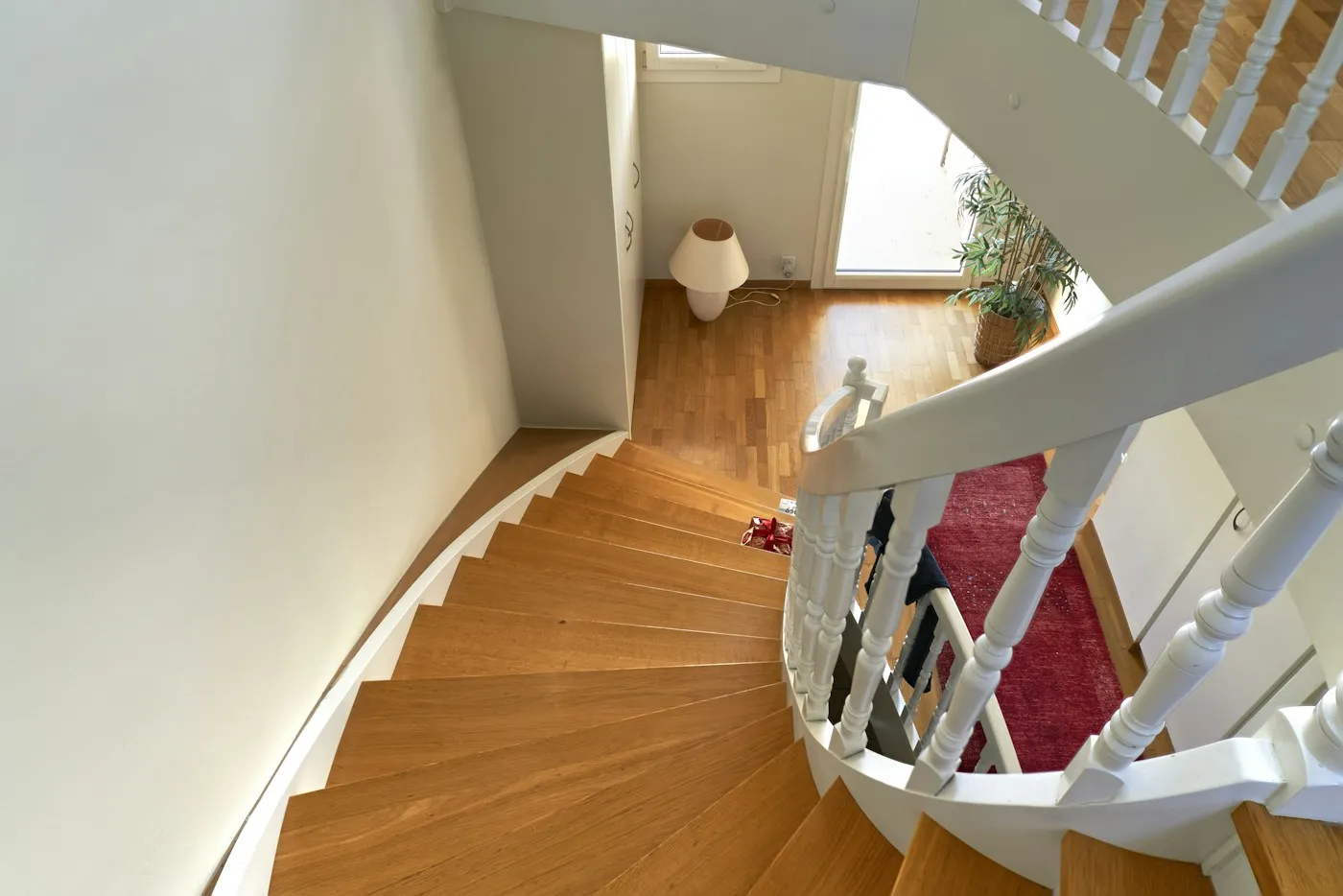
- Install stair gates at the top and bottom of stairs. Use a gate that screws into the wall at the top of stairs. Pressure-mounted gates are fine at the bottom or between rooms.
- Cover unused outlets and tuck cords out of reach.
- Make window blind cords safe. Choose cordless blinds, or keep cords cut short and out of reach. Move cribs and furniture away from windows.
- Install window guards or stops so windows open no more than 4 inches.
- Check smoke and carbon monoxide alarms on every level and test them monthly.
- Keep small objects off the floor. Anything that fits through a toilet-paper tube is a choking risk for young children.
- Store button batteries and magnets out of sight and reach. Swallowed button batteries can cause serious burns within hours.
Nursery
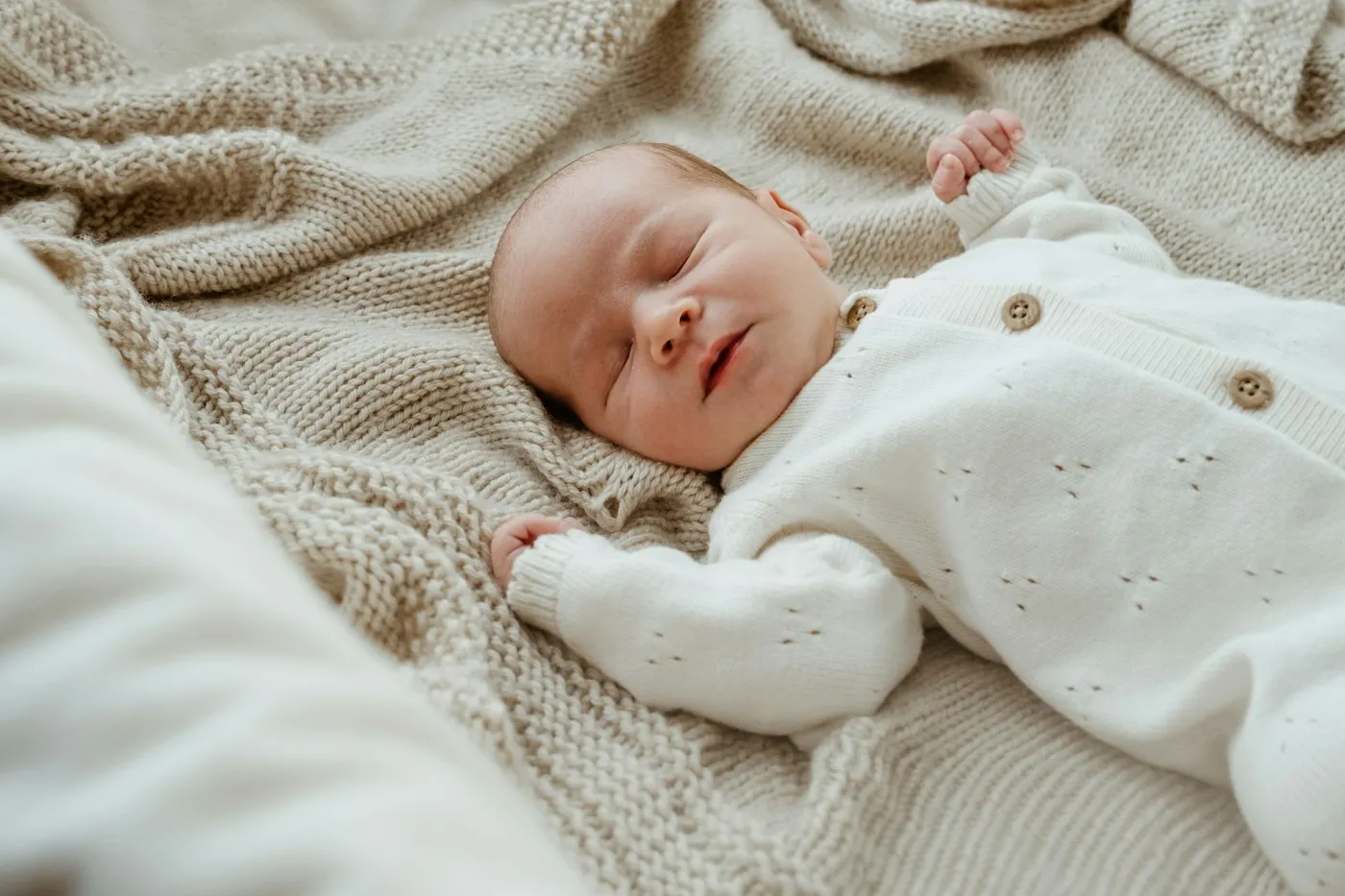
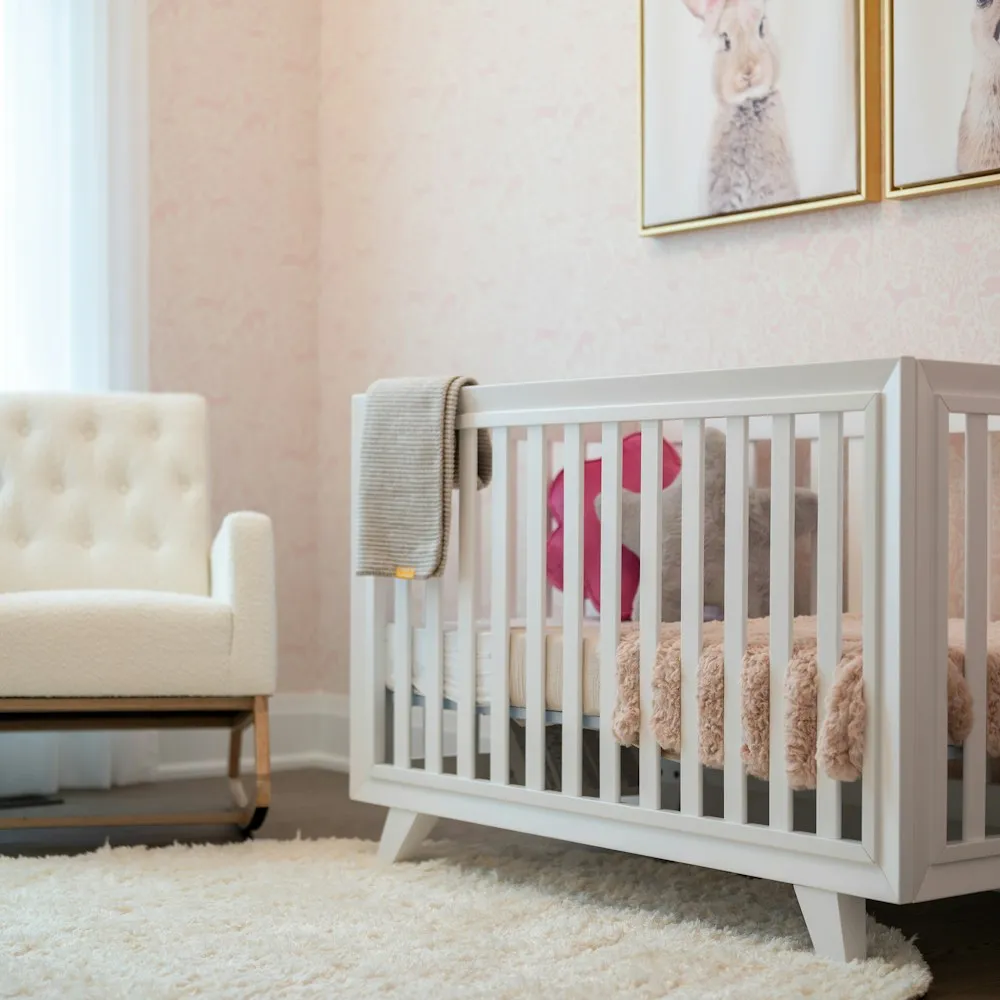
- Keep the crib bare: a fitted sheet and nothing else.
- Lower the crib mattress before your baby can sit up, and again before they can stand.
- Keep the crib away from windows, cords, shelves and wall decor.
- Anchor the dresser and changing table. Keep one hand on your baby during changes.
Kitchen
Shop this article
What we mention
- Lock lower cabinets that hold cleaning products, dishwasher pods and sharp tools.
- Use back burners and turn pot handles inward.
- Keep hot drinks away from table edges and off tablecloths a child could pull.
Bathroom
- Never leave a baby or toddler alone in or near the bath, even for a moment. Children can drown in a few inches of water.
- Set your water heater to 120°F (49°C) or lower.
- Store medicines, vitamins and cosmetics locked and out of reach. Use toilet lid locks for curious toddlers.
Living areas and outdoors
- Pad sharp table corners and fireplace hearths.
- Keep houseplants out of reach, since some are toxic.
- Fence pools on all four sides with a self-closing, self-latching gate.
Save these numbers
Program Poison Help (1-800-222-1222) into your phone and post it on the fridge for babysitters and grandparents.
Check for recalls
Register new baby products with the manufacturer so they can contact you about recalls, and check the CPSC recall list before using hand-me-downs.
This article is general information, not medical advice. Every baby is different. Ask your pediatrician about your own child.