Safe sleep basics: the ABCs every parent should know
Alone, on the Back, in a Crib. Three simple rules lower the risk of sleep-related infant deaths, and they apply to every nap and every night.
Why safe sleep matters
Sudden unexpected infant death, including SIDS and accidental suffocation, is a leading cause of death for babies under one year in the United States. The good news is that safe sleep habits lower the risk. Since the national Safe to Sleep campaign began in the 1990s, SIDS rates have dropped substantially.
A is for Alone
Your baby should sleep in their own space, with nothing else in it:
- No pillows, blankets, bumpers, positioners or soft toys.
- No sharing a bed, couch or armchair with an adult, another child or a pet.
- A fitted sheet made for that mattress is the only bedding.
The AAP recommends room sharing without bed sharing, ideally for at least the first six months. Put the crib or bassinet in your room, close to your bed.
B is for Back
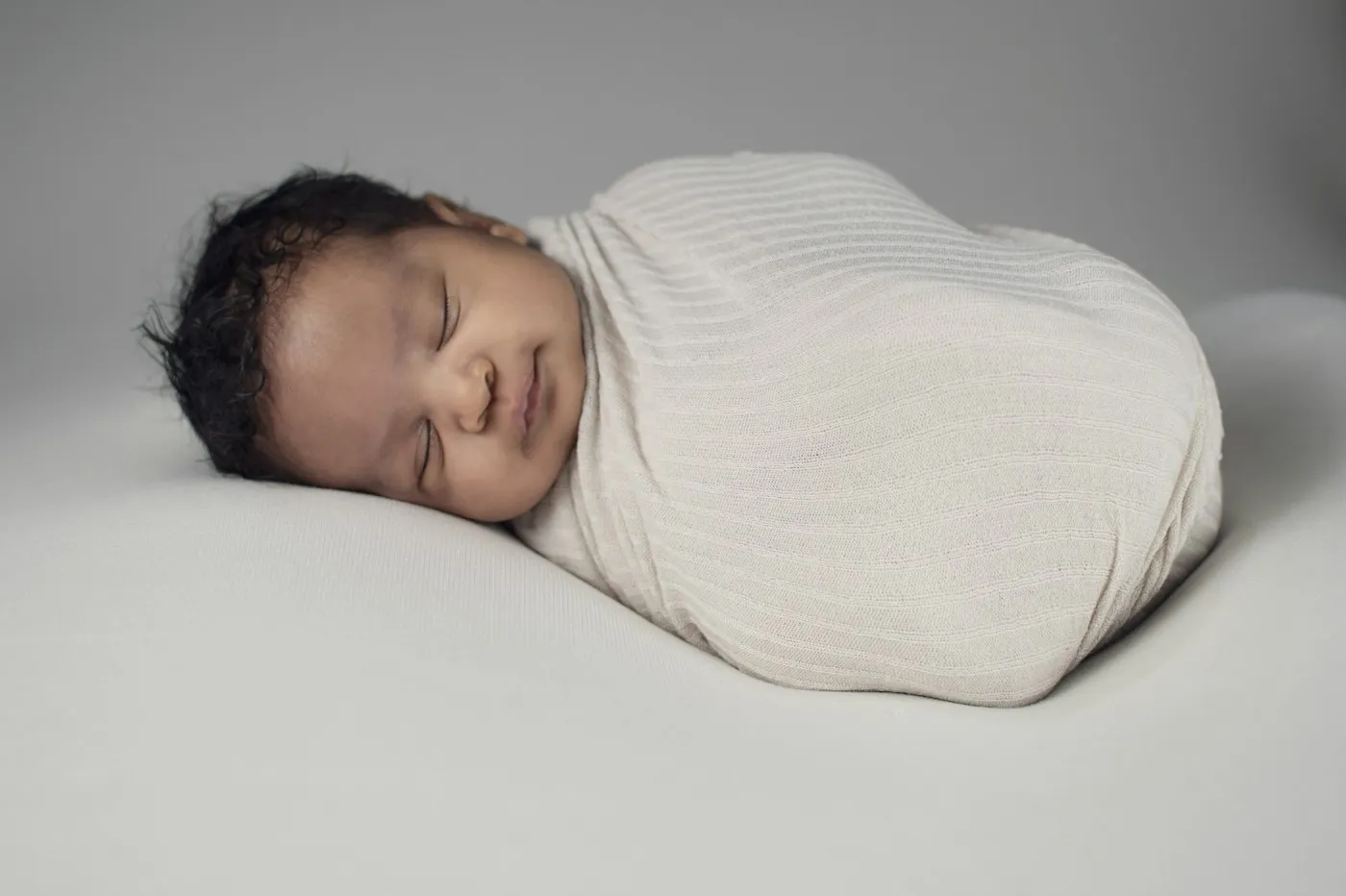
Place your baby on their back for every sleep, including naps, until their first birthday. Once your baby can roll both ways (back to tummy and tummy to back) on their own, you can let them stay in the position they choose, but always start them on their back.
Back sleeping does not increase choking. Healthy babies naturally swallow or cough up fluids.
C is for Crib
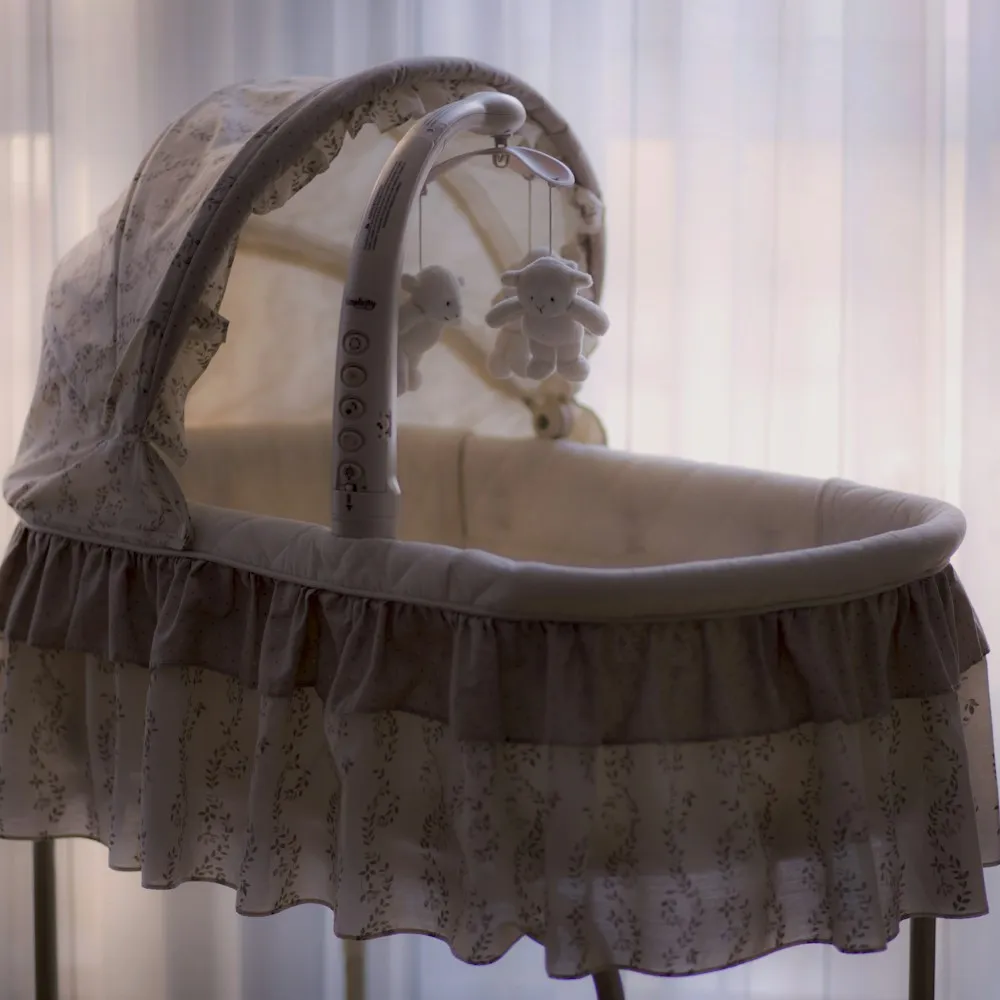
Use a crib, bassinet, portable crib or play yard that meets current federal safety standards, with a firm, flat mattress that fits snugly. The surface should not be inclined. The AAP advises against letting babies sleep in car seats, strollers, swings or infant carriers outside of travel. If your baby falls asleep in one, move them to a flat sleep surface as soon as you can.
Other ways to lower risk
What we mention

- Offer a pacifier at nap time and bedtime once breastfeeding is going well. Don't hang it around the neck or clip it to clothing during sleep.
- Avoid overheating. Dress your baby in no more than one layer more than an adult would wear to be comfortable. Skip hats indoors once you're home from the hospital.
- Keep a smoke-free home and car.
- Breastfeed if you can. Breastfeeding is linked with a lower risk of SIDS.
- Keep up with checkups and vaccines.
- Avoid products that claim to prevent SIDS, including wedges, positioners and home heart or breathing monitors marketed for that purpose.
When baby falls asleep while feeding
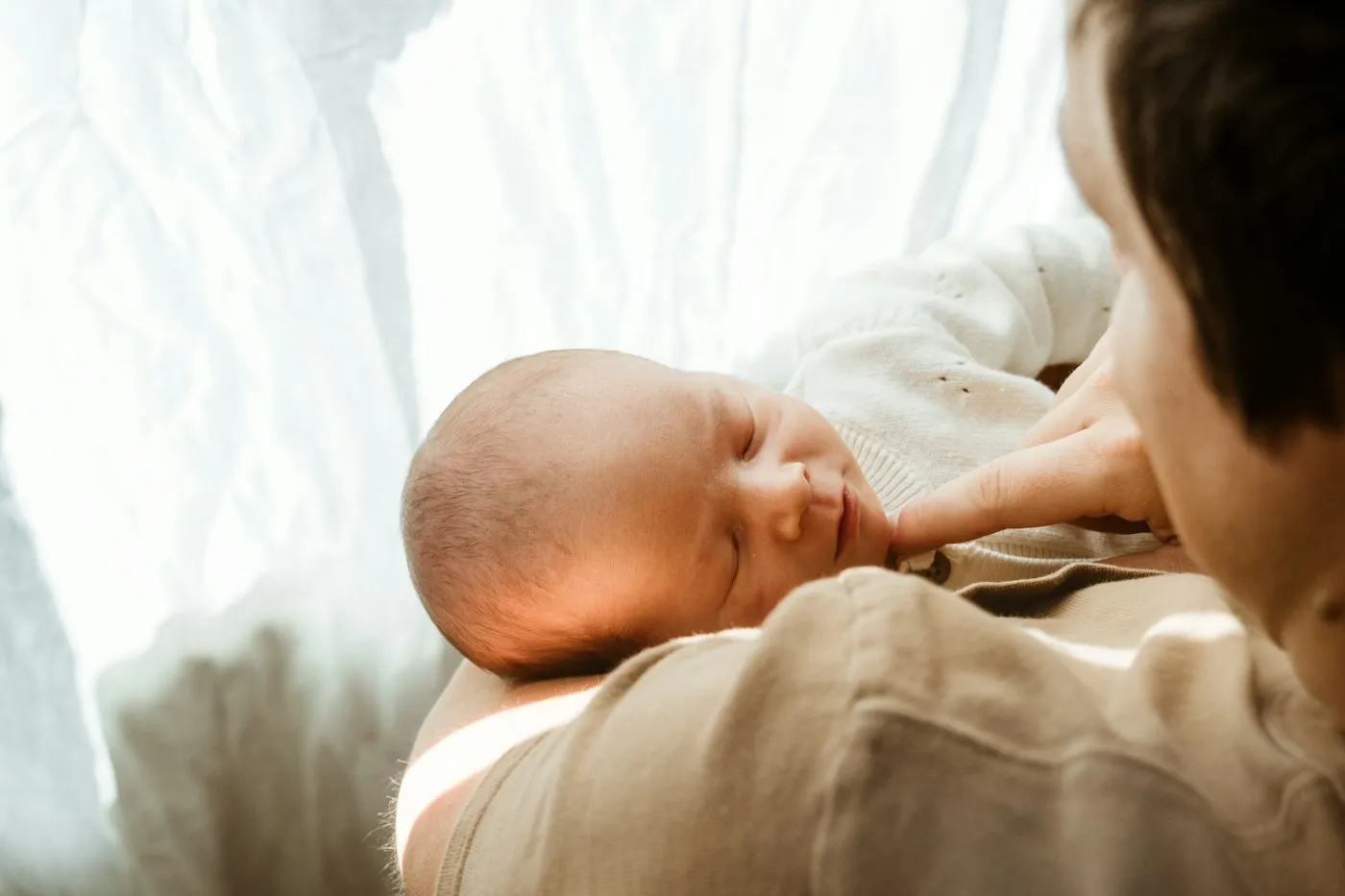
It happens to everyone. If you're feeding in bed, remove pillows and blankets from around the baby first. If you fall asleep, move your baby to their own sleep space as soon as you wake. Falling asleep with a baby on a couch or armchair is especially risky, so if you're very tired, feed in bed rather than on a sofa.
A quick nursery check
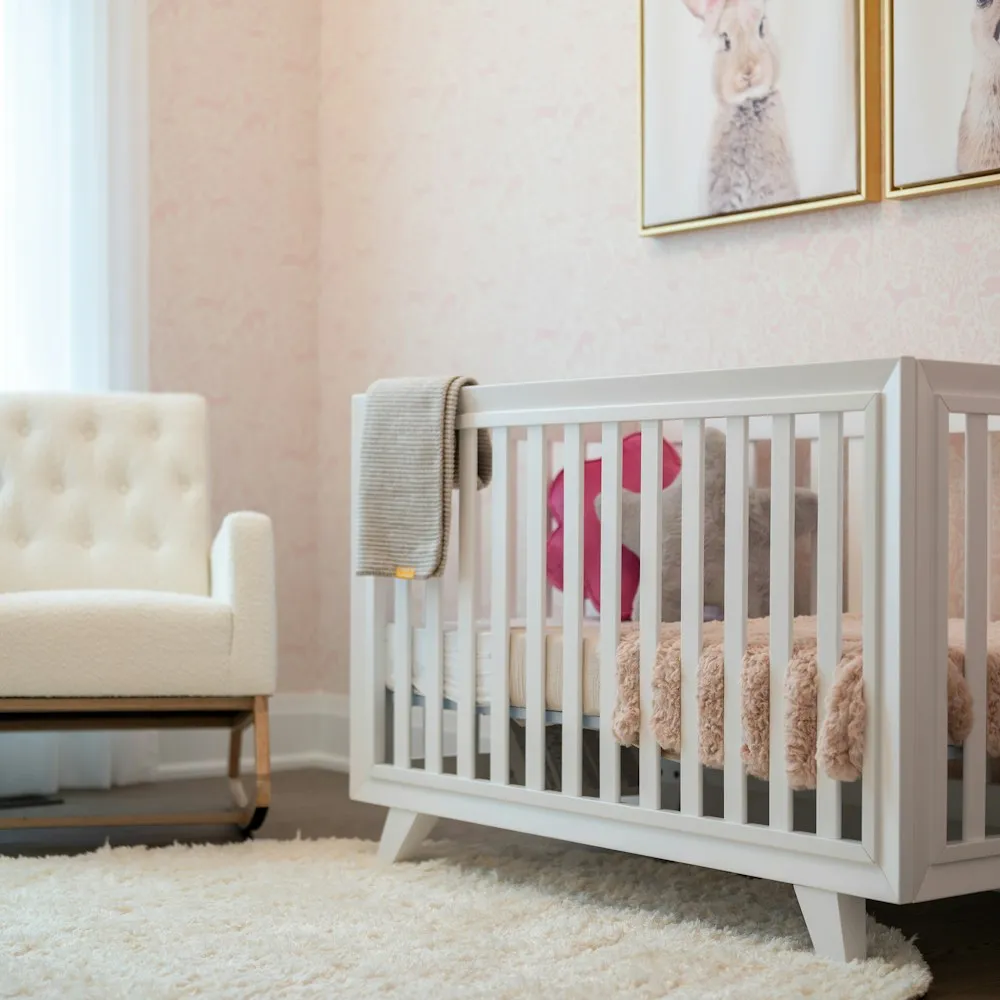
- Crib meets current standards and is not missing or loose parts.
- Firm mattress, fitted sheet, nothing else.
- No cords from blinds, monitors or lamps within reach.
- Furniture is anchored to the wall.