White noise for babies: how loud, how close and how long
A steady sound can mask a barking dog or a closing door. The key is keeping it soft and away from the crib.
Why parents use white noise
Homes are noisy, and babies often sleep lightly, especially in the first months. A constant background sound can cover sudden noises like a doorbell, a sibling or traffic, which might otherwise wake a baby. Used every night, the sound also becomes one more cue that it's time to sleep, alongside a bath, a feed and a song.
White noise isn't required. Plenty of babies sleep well without it. Think of it as a tool for a noisy home, not a sleep solution.
What the research says about volume
A 2014 study in the journal Pediatrics measured 14 infant sleep machines. At their maximum settings, all of them exceeded the noise limit recommended for infants in hospital nurseries when placed close to the crib, and some were loud enough at that distance to raise concerns about hearing over long periods. The researchers suggested placing machines farther from the crib, keeping the volume low and limiting how long they run.
How to use a sound machine safely
- Distance: put the machine across the room, at least about 7 feet (2 meters) from your baby, and never inside or attached to the crib.
- Volume: keep it low. A useful rule is about as loud as a soft shower or a quiet conversation. If you have to raise your voice to talk over it, it's too loud.
- Time: use a timer, or lower the volume once your baby is asleep.
- Cords: keep power cords well out of reach of the crib.
What we mention
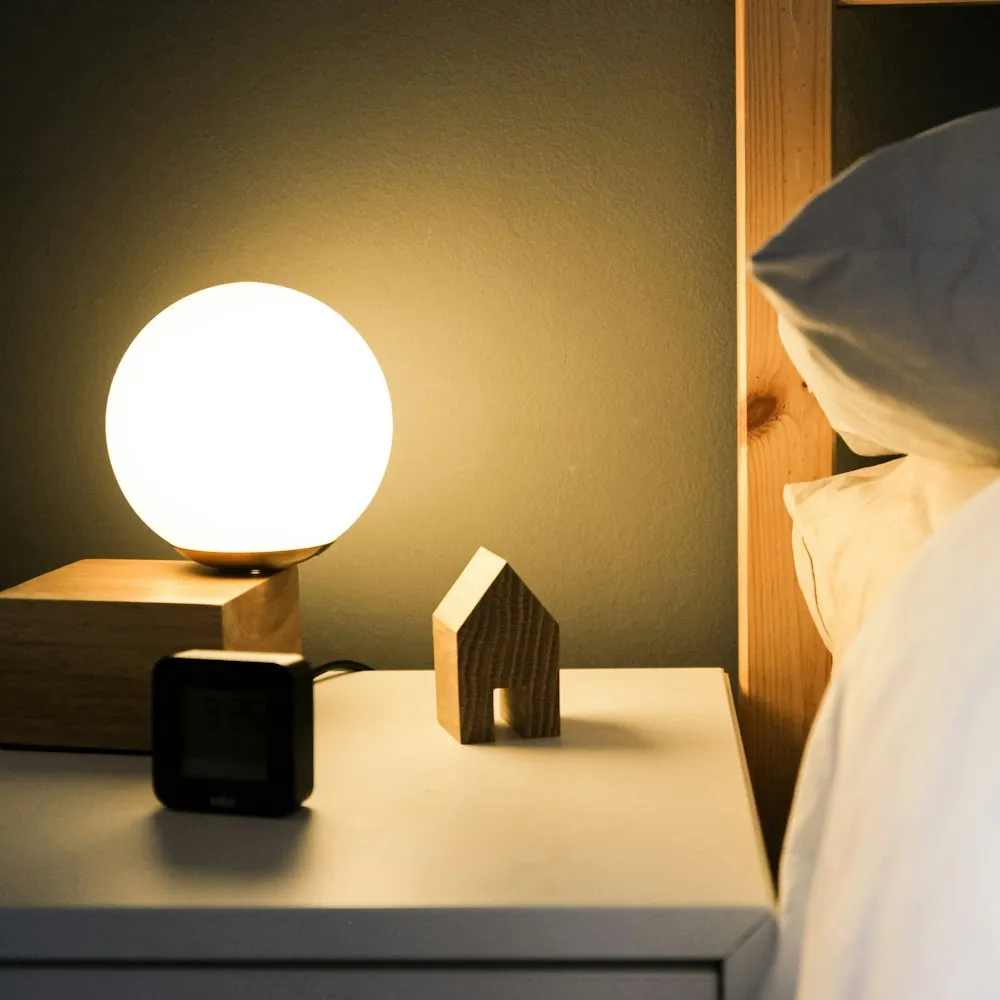
Soft Glow Night Light
A warm, dimmable glow for night feeds and diaper changes without fully waking…
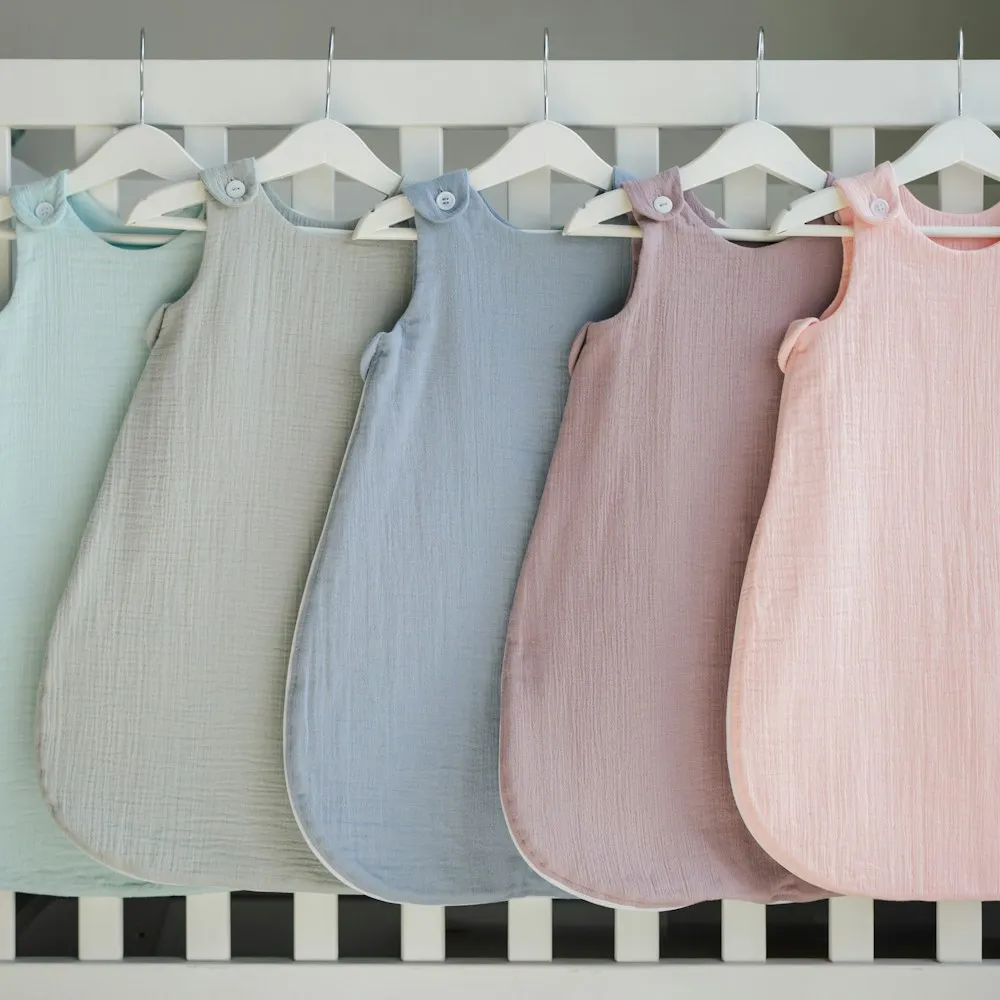
Organic Cotton Sleep Sack
A wearable blanket with a two-way zipper for easy night changes, so loose…
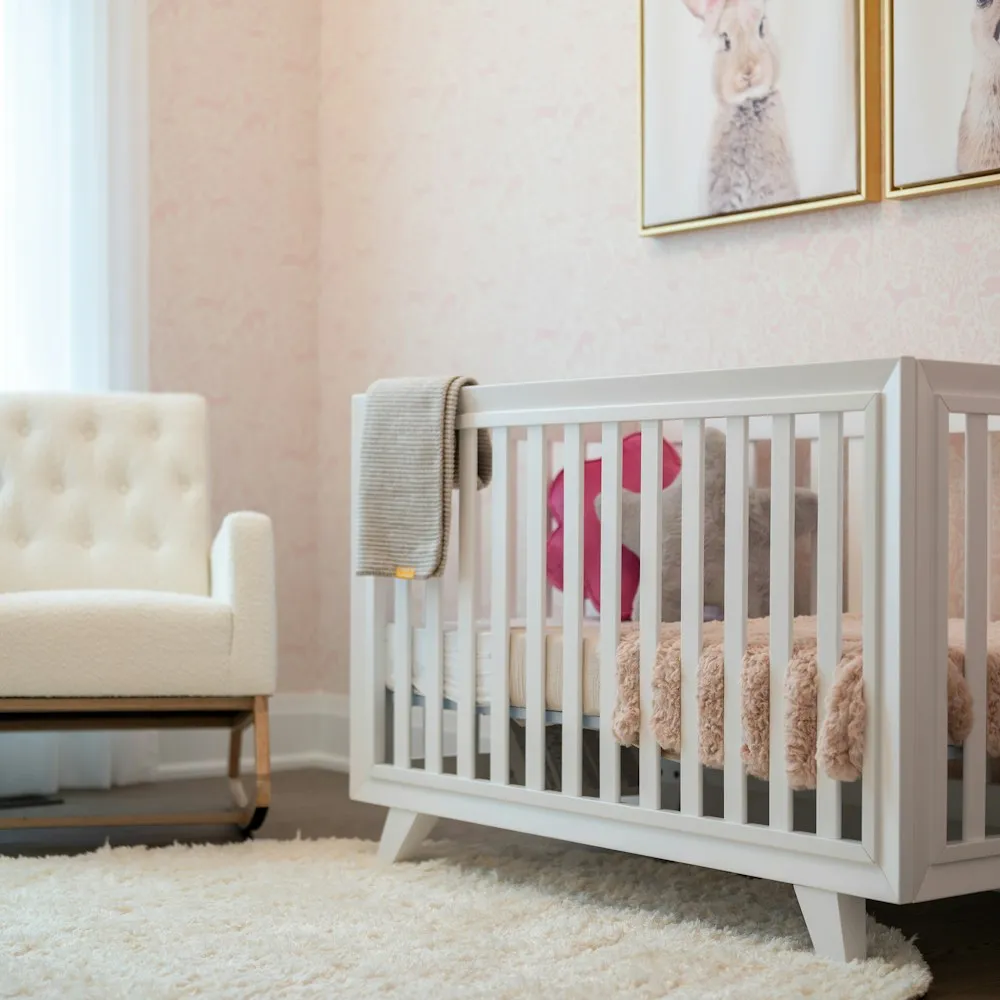 New
Convertible Crib
A clean-lined crib that converts to a toddler bed, made to grow from the…
Choosing a sound
Steady, low-pitched sounds such as rain, a fan or "pink" or "brown" noise tend to be gentler than high-pitched hiss. Avoid sounds that change suddenly or include music with a beat, which can be more stimulating than calming.
Light matters too
Darkness helps babies sleep, but you still need to see during night feeds and diaper changes. A warm, dim night light placed away from the crib lets you move around without switching on bright overhead lights. Warm amber or red-toned light is less stimulating than bright white or blue light.
How to stop using it later
Some families keep a sound machine for years. Others want to stop. If you do, lower the volume a little every few nights over one to two weeks, rather than turning it off all at once.
Quick answers
- Can white noise replace safe sleep basics? No. Back to sleep, a firm flat surface and a bare crib come first.
- Should it run during naps? If it helps, use the same setup as at night.
- Is a phone app fine? Yes, if you can set the volume low and keep the phone away from the crib.