Sleep sack vs swaddle, and when to switch
Both keep your baby warm without loose blankets in the crib. The difference is the arms, and the moment your baby starts to roll.
Why loose blankets stay out of the crib
The American Academy of Pediatrics (AAP) recommends that babies sleep on their back, on a firm, flat surface, with nothing else in the sleep space: no pillows, bumpers, soft toys or loose blankets. A loose blanket can cover a baby's face. Swaddles and sleep sacks are two ways to keep a baby warm without one.
What a swaddle does
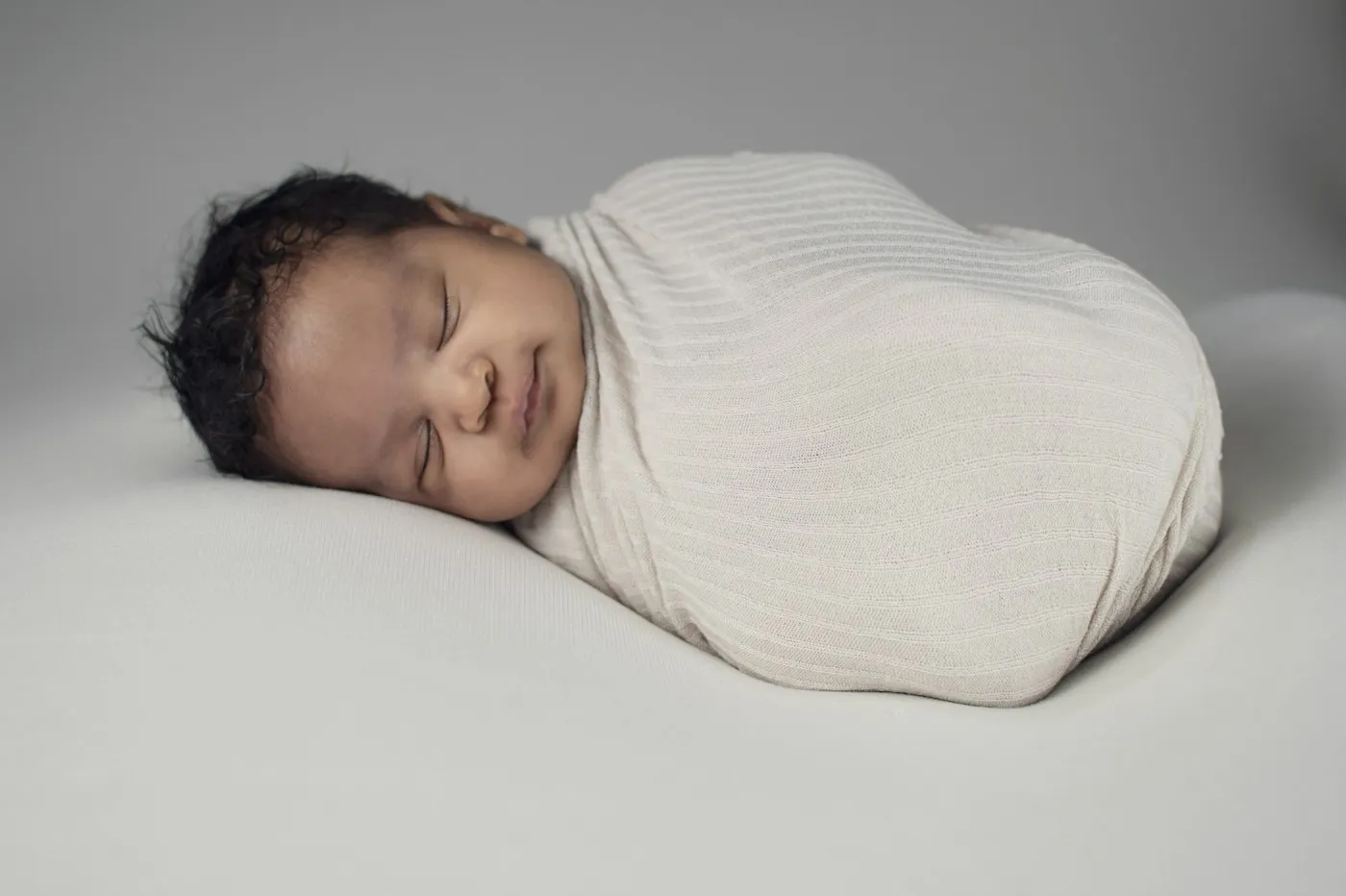
A swaddle wraps snugly around your baby's body and arms. Many newborns are startled awake by their own arm movements (the Moro or startle reflex), and a snug swaddle can help them settle and stay asleep. You can swaddle with a square blanket or use a swaddle with fasteners, which many tired parents find easier at 3 a.m.
To swaddle safely:
- Keep the arms snug, but leave the hips loose so the legs can bend up and out. Tight wrapping of the legs can affect hip development.
- You should be able to slide two or three fingers between the swaddle and your baby's chest.
- Always place a swaddled baby on their back, never on the side or tummy.
- Watch for overheating: sweating, damp hair, flushed cheeks or a hot chest. Dress your baby in one light layer under the swaddle.
What a sleep sack does
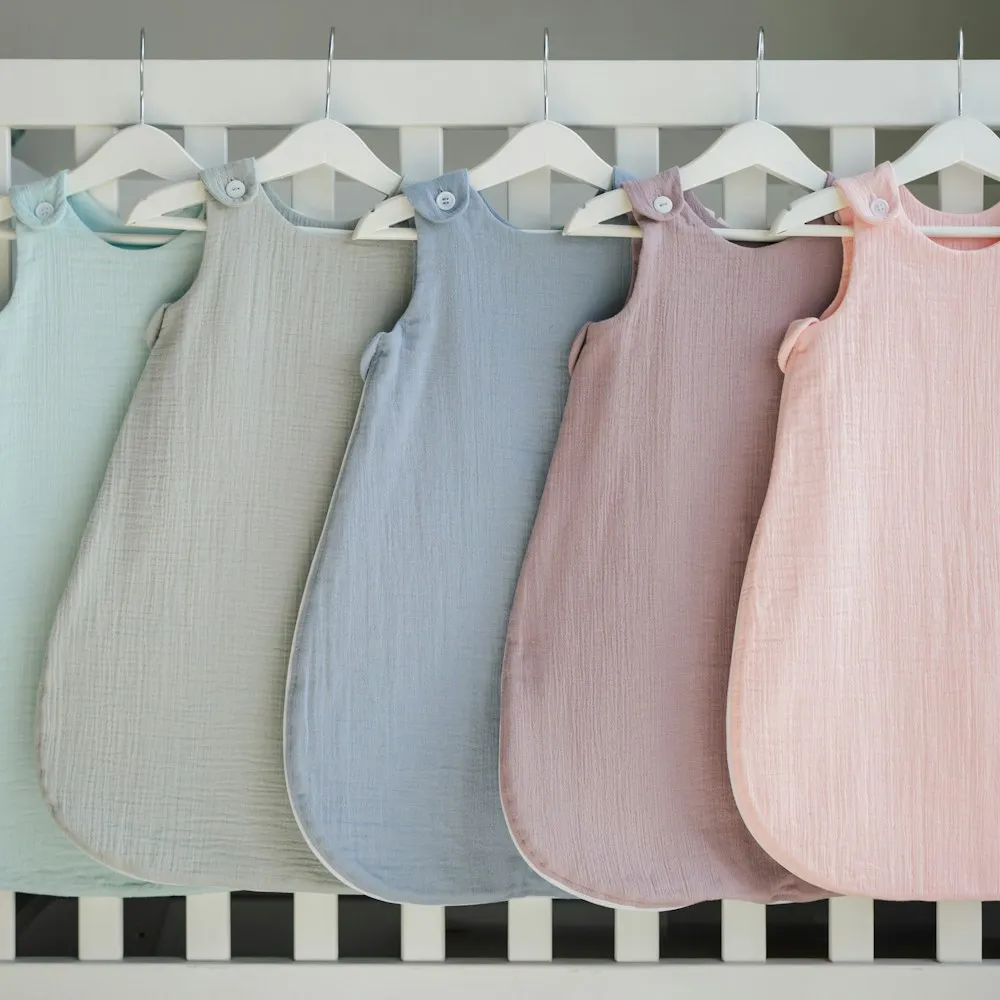
A sleep sack, sometimes called a wearable blanket, is a sleeveless bag your baby wears over pajamas. The arms are free and the body is covered. Because it can't come loose or ride up over the face, many families use one from the end of swaddling until the toddler years.
Look for a sleep sack that fits well at the neck and arms, so your baby can't slip down inside it, and that is sized by weight or age. Most have a zipper that opens from the bottom for night-time diaper changes.
When to stop swaddling
The AAP advises stopping swaddling as soon as your baby shows signs of trying to roll over. A swaddled baby who rolls onto their tummy may not be able to push up or roll back, which raises the risk of suffocation. For many babies the first attempts start around two months, but some start earlier. Watch your baby rather than the calendar. Signs to look for:
- Rocking side to side or pushing up on the arms during tummy time.
- Rolling partway onto the side in the crib.
- Wriggling out of the swaddle repeatedly.
What we mention

Cotton Swaddle Blanket
Light, breathable cotton for swaddling the first weeks, then for tummy time,…
Organic Cotton Sleep Sack
A wearable blanket with a two-way zipper for easy night changes, so loose…
Bedside Bassinet
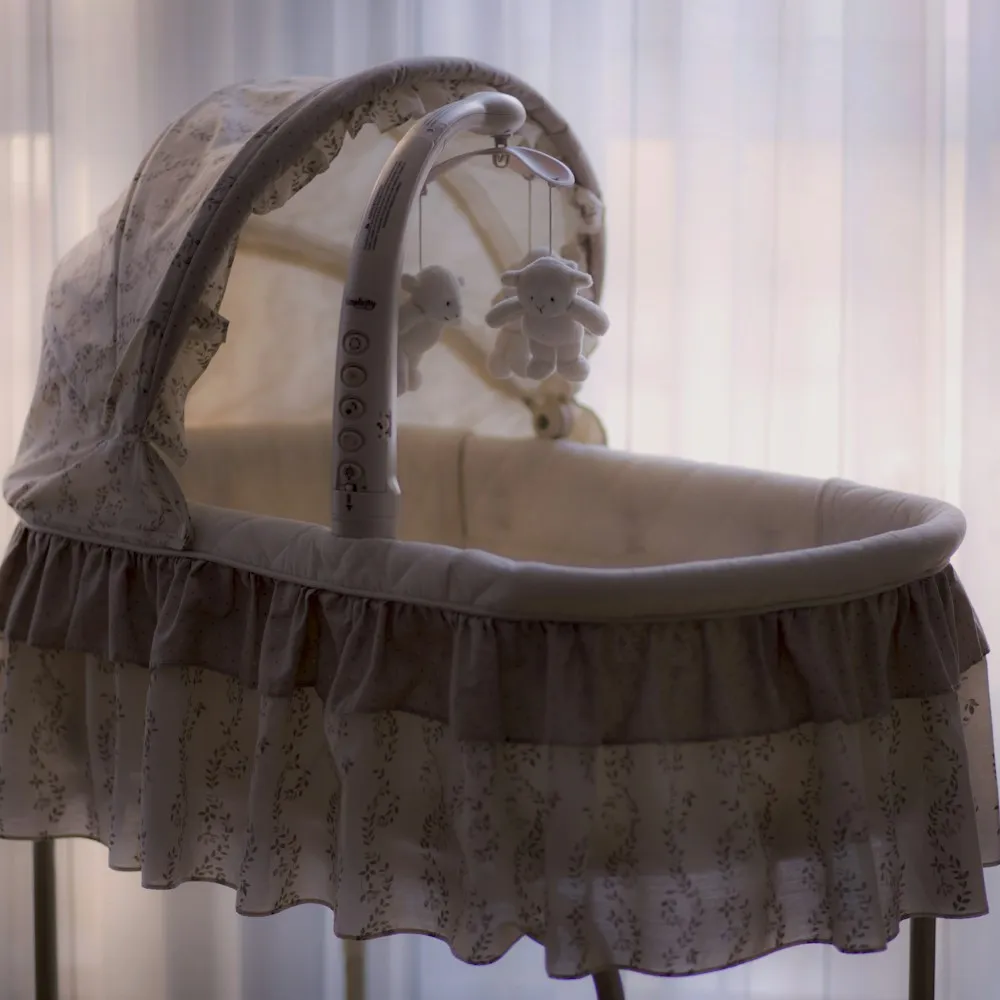
Keeps baby close in your room on a firm, flat sleep surface for the first…
How to make the switch
Most babies adjust within a few nights to a week. A gradual change can help:
- Night 1–3: swaddle with one arm out.
- Night 4–6: both arms out, or move to a sleep sack.
- After that: a sleep sack for every nap and night.
Keep everything else the same, including the room, the lights, white noise if you use it, and the order of your bedtime routine. Familiar cues help more than any product.
Products marketed as "transition" sleepwear
Some sleepwear is weighted or heavily padded and marketed to help babies sleep. The AAP advises against weighted sleep sacks, swaddles and blankets for infants. Choose a plain, lightweight sleep sack in a size that fits.
Quick answers
- Can my baby sleep in a sleep sack from birth? Yes. Many newborn sleep sacks are sized from birth, and some babies prefer arms free from the start.
- Do sleep sacks replace pajamas? No. Dress your baby in a light layer underneath, suited to the room temperature.
- What about naps? Use the same safe-sleep setup for naps as for nights.