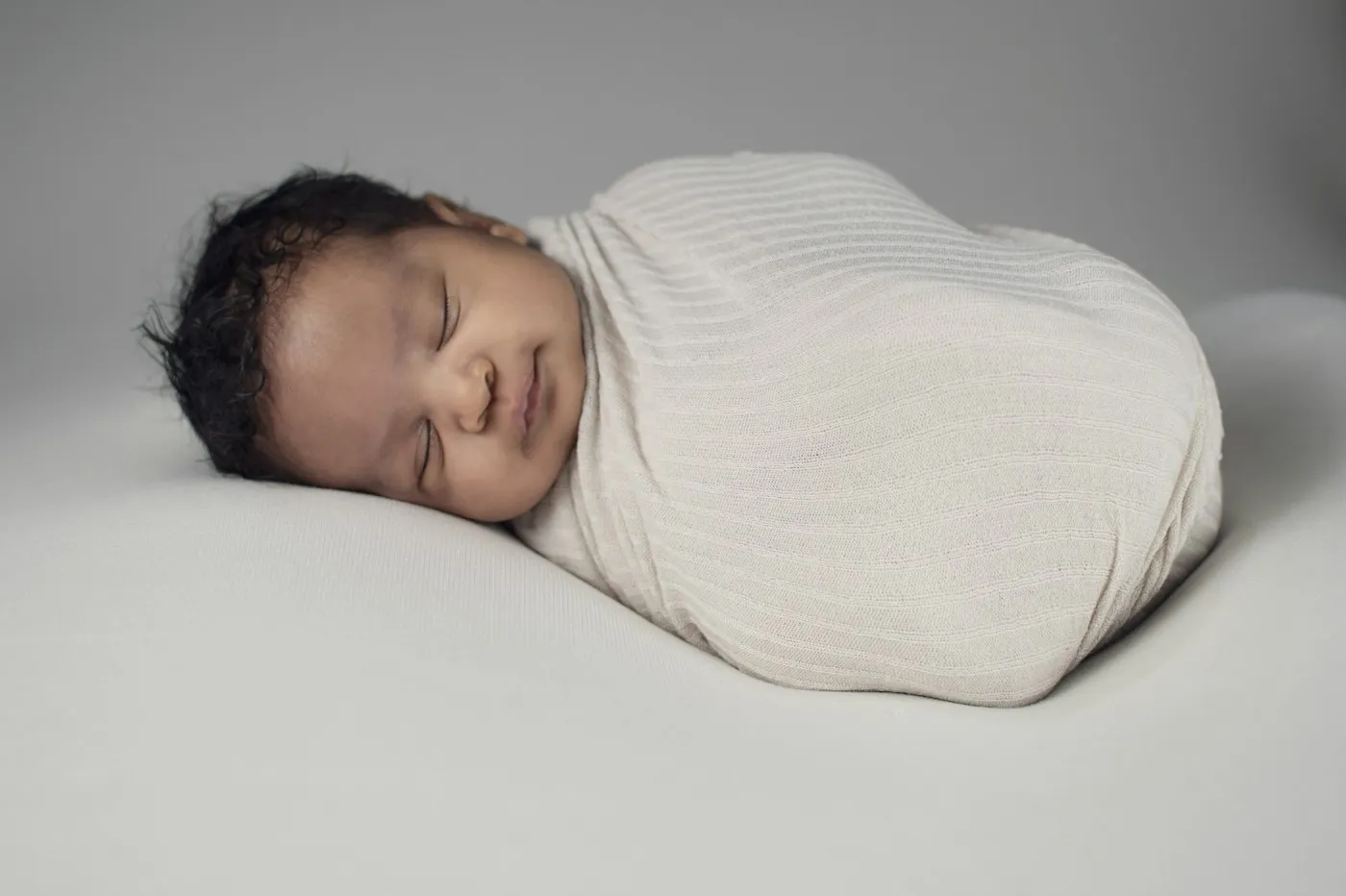
How much should my baby sleep? A guide by age
Every baby is different, but sleep follows a broad pattern: lots of short sleeps at first, then longer nights and fewer naps.
The newborn weeks (0–3 months)
Newborns sleep a lot, often 14 to 17 hours in 24 hours, but in short stretches of two to four hours. They need to feed often, day and night, and their body clocks haven't yet learned the difference between day and night.
What helps:
- Bright, active daytimes and dim, quiet nights.
- Keeping night feeds calm, with low light and little talking.
- Watching for sleepy signs such as yawning, staring or rubbing eyes, and putting your baby down drowsy when you can.
4–12 months
The AAP-endorsed recommendation for babies 4 to 12 months is 12 to 16 hours of sleep in 24 hours, including naps. Many babies settle into two or three naps a day and longer stretches at night, though night waking is still common, especially around teething, illness and new skills like crawling.
This is a good age to start a short, predictable bedtime routine, for example bath, pajamas, feed, book, song and bed. The order matters more than the length.
1–2 years
What we mention

Organic Cotton Sleep Sack
A wearable blanket with a two-way zipper for easy night changes, so loose…
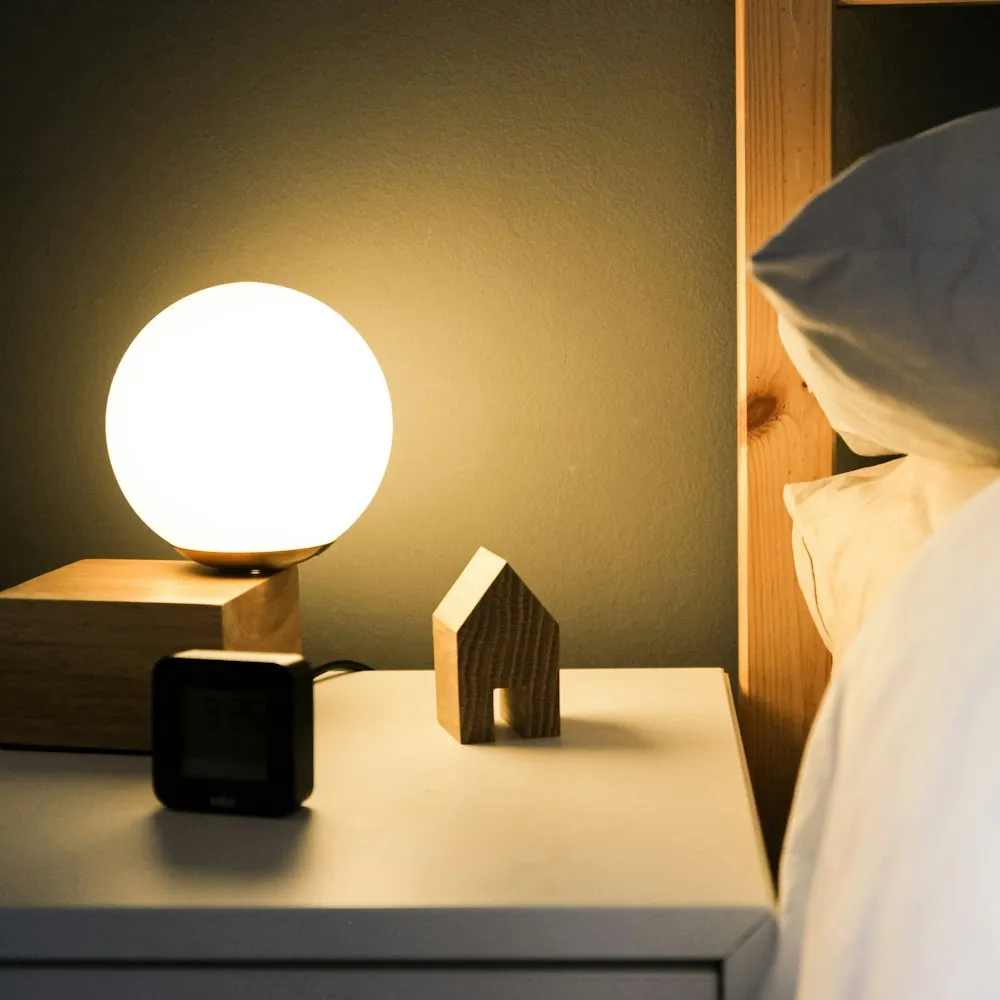
Soft Glow Night Light
A warm, dimmable glow for night feeds and diaper changes without fully waking…
 New
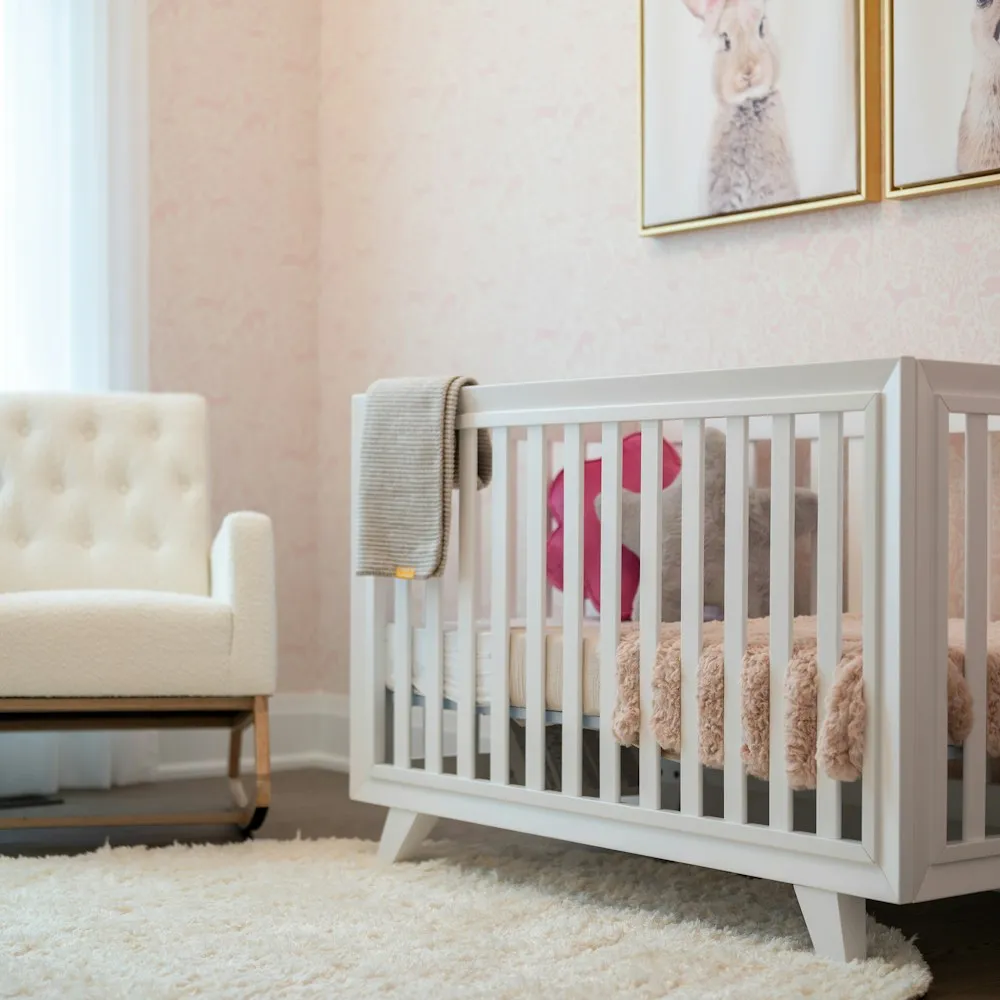
Convertible Crib
A clean-lined crib that converts to a toddler bed, made to grow from the…
Toddlers 1 to 2 years old need about 11 to 14 hours in 24 hours, including naps. Most move from two naps to one somewhere between 12 and 18 months. Signs of readiness include fighting the second nap or taking a long time to fall asleep at bedtime.
2–3 years
Children 3 to 5 years need about 10 to 13 hours, and two-year-olds sit between the toddler and preschool ranges. Most still nap once a day. Bedtime resistance often peaks now. Calm, consistent limits and a routine help.
Signs your baby may need more sleep
- Fussiness in the late afternoon and evening.
- Falling asleep during every car ride.
- Rubbing eyes, pulling ears or staring into space.
When to talk with your pediatrician
Ask your pediatrician if your baby snores loudly most nights, pauses in breathing, seems very hard to wake, or is sleeping much more or much less than usual. Sleep needs vary, and your pediatrician can help you look at your child's whole picture.
Safe sleep at every age
Until the first birthday, place your baby on their back on a firm, flat surface with nothing else in the crib. Once your child moves to a toddler bed, anchor furniture and use outlet covers in the room.