Crib bumpers and inclined sleepers are banned. Here's what that means for you
Since 2022, padded crib bumpers and inclined infant sleepers can't be made or sold in the United States. If you have one at home, here's what to do.
What the law does
The Safe Sleep for Babies Act was signed into law in May 2022. It bans the manufacture and sale of two products:
- Padded crib bumpers: padding that ties or attaches around the inside of a crib. Mesh liners and vertical slat covers are also covered by the ban.
- Inclined sleep products for infants: sleepers with a sleep surface angled more than 10 degrees, designed for babies up to one year.
The CPSC enforces the ban. A separate federal safety standard for infant sleep products, which took effect in 2022, also requires most products marketed for infant sleep to have a flat sleep surface.
Why they were banned
Federal regulators linked padded bumpers and inclined sleepers to infant deaths from suffocation and positional asphyxia. Babies can roll into a position where their face presses against padding, or, on an incline, slump so their chin falls to their chest, which can block the airway. The AAP had warned against both products for years.
If you have one at home
- Stop using it for sleep.
- Don't sell, donate or pass it on. Recalled inclined sleepers should be returned through the manufacturer's recall program.
- Check CPSC.gov/Recalls for any refund or remedy.
What we mention
What to use instead
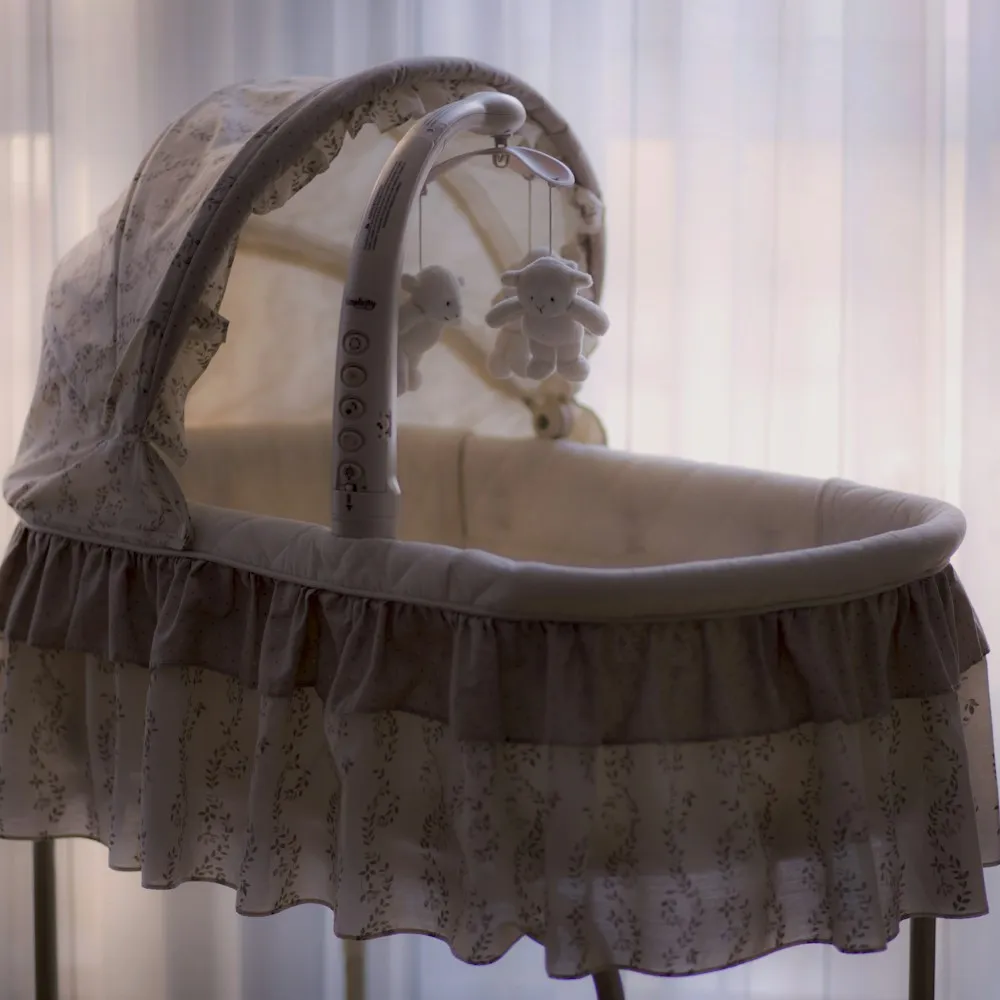
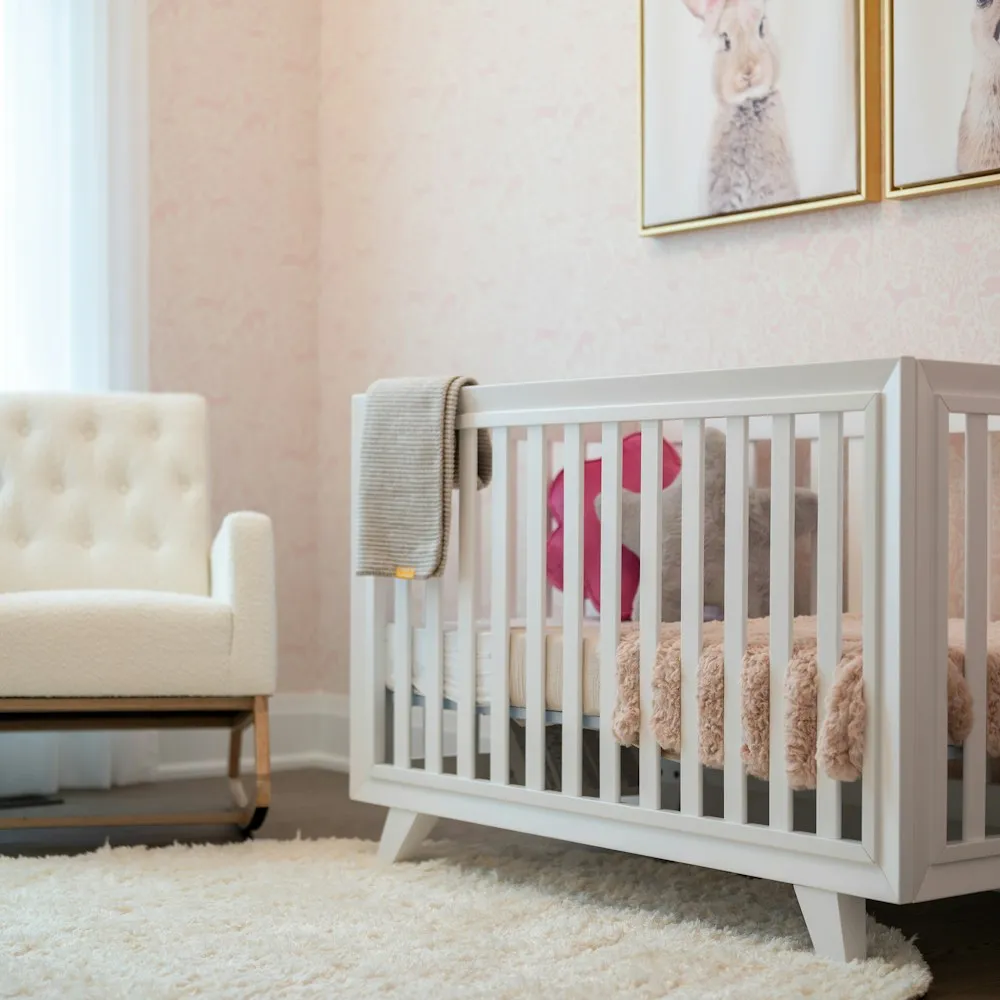
- A crib, bassinet or play yard that meets current safety standards.
- A firm, flat mattress and a fitted sheet.
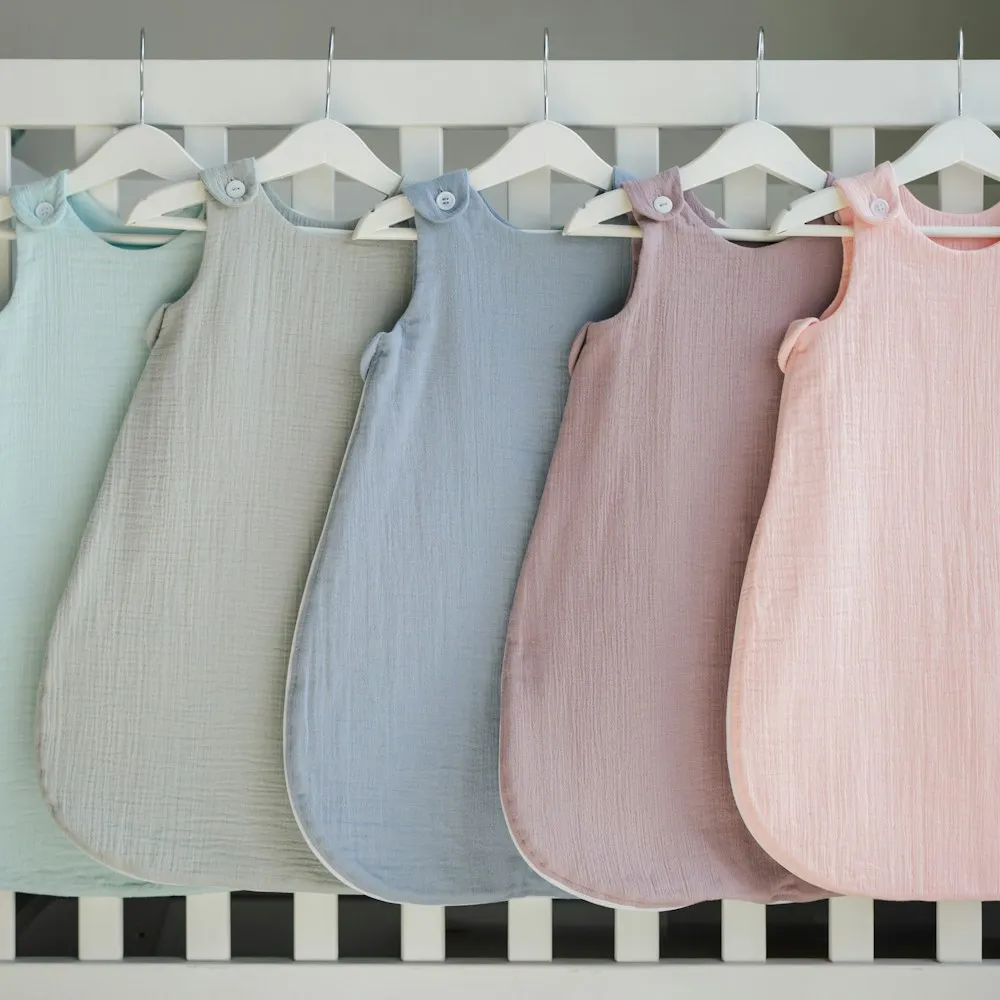
- A sleep sack in place of loose blankets.
- Nothing else in the sleep space.
What about swings, loungers and car seats?
Swings, bouncers, loungers and car seats aren't meant for sleep. If your baby falls asleep in one, move them to a flat sleep surface as soon as you can.