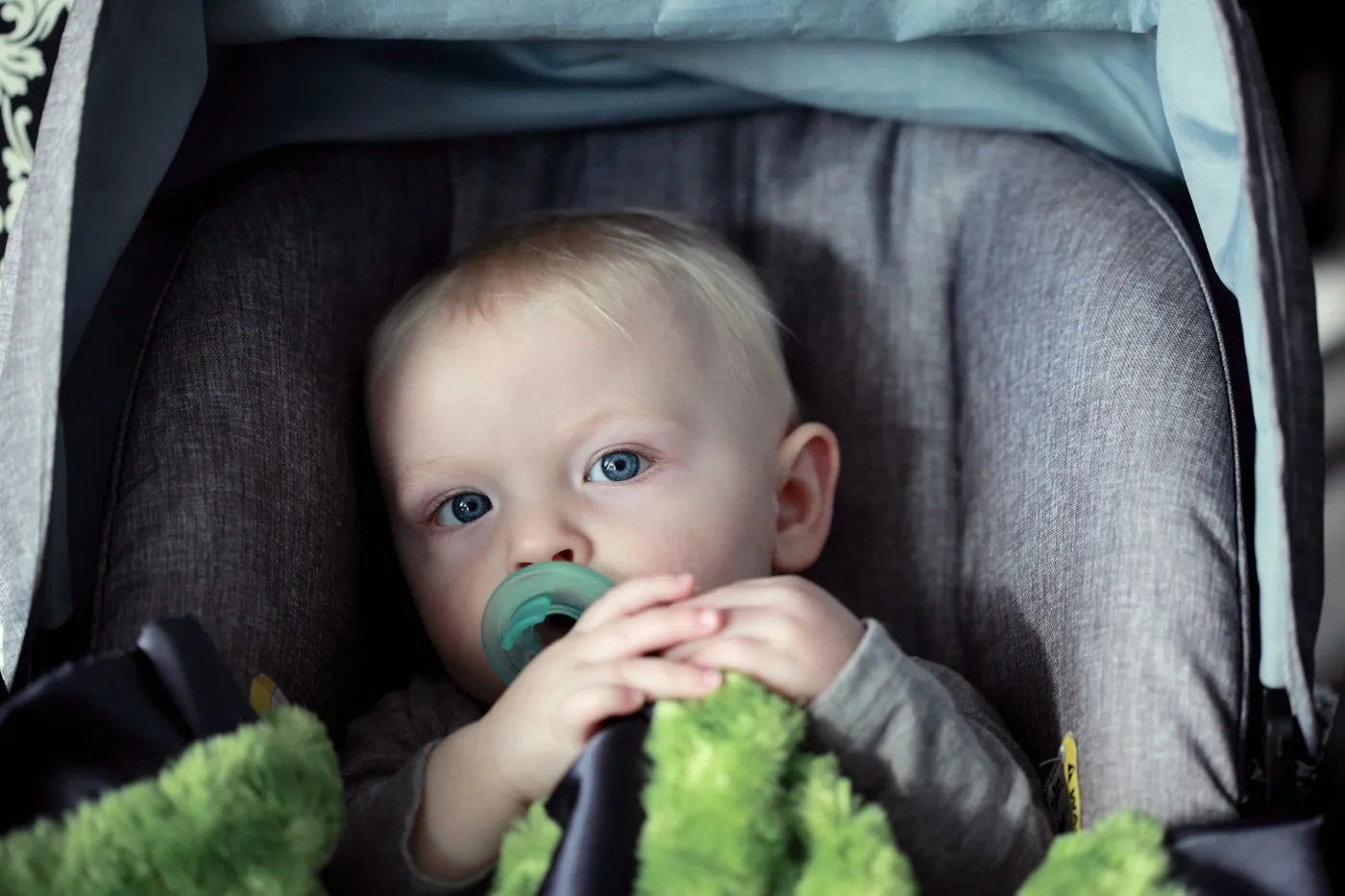
Car seat basics: rear-facing, harness fit and installation
A correctly used car seat is one of the most important things you'll buy for your baby. Most mistakes are easy to fix once you know what to look for.
Rear-facing as long as possible
The AAP recommends that babies and toddlers ride rear-facing for as long as possible, until they reach the highest weight or height allowed by their car seat. Many convertible seats allow rear-facing to 40 pounds or more, which means many children can ride rear-facing well past age two. Rear-facing seats support the head, neck and spine in a crash.
Types of seats
- Infant seat: rear-facing only, with a carrying handle and a base that stays in the car. Many babies outgrow these within the first year.
- Convertible seat: rear-facing first, then forward-facing with a harness. Larger, and stays installed in the car.
- All-in-one seat: converts from rear-facing to forward-facing to a booster seat.
NHTSA's car seat finder can help you compare types by your child's age and size.
Installing the seat
- Read both the car seat manual and your vehicle owner's manual.
- Use either the lower anchors (LATCH) or the seat belt to install, not both unless the seat's manual says so.
- The seat should move less than 1 inch side to side or front to back when you pull at the belt path.
- Rear-facing seats need the right recline angle. Most have a built-in level indicator.
- The back seat is the safest place for children under 13. Never put a rear-facing seat in front of an active airbag.
What we mention

Car seat inspection stations and certified Child Passenger Safety Technicians can check your installation, often for free. Look for one before your due date.
Harness fit, every ride
- Straps: at or below the shoulders for rear-facing.
- Chest clip: at armpit level.
- Snug: you shouldn't be able to pinch any slack in the strap at the shoulder (the "pinch test").
- No bulky coats. Puffy coats and snowsuits compress in a crash and leave the harness too loose. Buckle your child in regular clothes, then put a blanket or coat over the harness.
Car seats aren't for sleep outside the car
Car seats are designed for travel. If your baby falls asleep in the car seat at home, move them to a firm, flat sleep surface. Don't leave a child alone in a car, ever.
Used and expired seats
- Car seats have an expiration date, usually 6 to 10 years from manufacture. Check the label on the seat.
- Don't use a seat that has been in a moderate or severe crash.
- Avoid secondhand seats unless you know their full history, have the manual, and have checked for recalls.
Register your seat
Fill out the registration card or register online so the manufacturer can contact you about recalls.